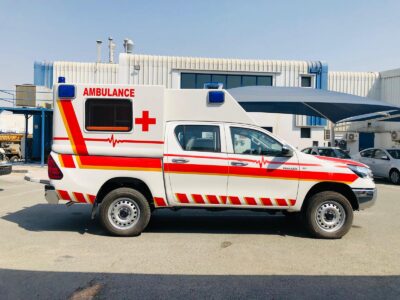
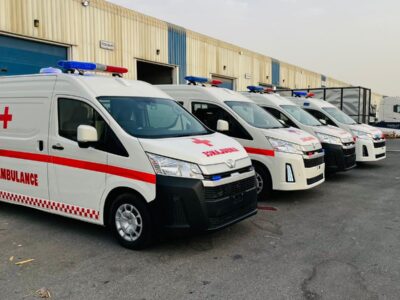
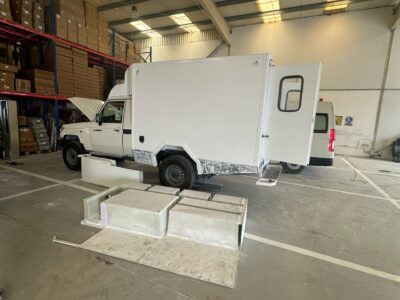
Toyota Box Type Ambulance

When every second counts and patient stability is paramount, the Toyota Box Type Ambulance emerges as a trusted solution for emergency medical services worldwide. Unlike standard van conversions, the box-type design offers a dedicated rear module that maximizes interior space, improves workflow, and enhances patient care during transit. Built on Toyota’s legendary chassis platforms—including the Land Cruiser 78 Series, Hilux, and Hiace—these ambulances combine automotive reliability with purpose-built medical functionality.
Whether responding to urban emergencies, serving rural communities with limited healthcare access, or operating in challenging terrains, the Toyota ambulance in box-type configuration delivers exceptional versatility. This comprehensive guide explores the features, configurations, and operational advantages that make these vehicles indispensable for modern emergency response fleets.
H2: What Is a Box Type Ambulance?
A box type ambulance differs fundamentally from standard van conversions. Rather than modifying an existing vehicle body, the box-type design features a separate, purpose-built rear module mounted onto a chassis cab. This construction approach offers several distinct advantages for emergency medical services.
H3: Construction and Design Philosophy
The box-type design separates the driver’s cabin from the patient compartment, allowing each section to be optimized for its specific function. The rear module—typically constructed from reinforced aluminum or composite materials—is mounted onto the chassis via isolation subframes that absorb road shocks and vibrations .
This modular approach means the medical compartment can be designed without the constraints of the original vehicle’s roofline or body panels. The result is a spacious, rectangular interior with standing height clearance, straight walls for efficient cabinetry mounting, and optimal workspace for medical personnel .
H3: Toyota’s Box Type Ambulance Lineup
Toyota offers several platforms suitable for box-type ambulance conversions:
- Toyota Land Cruiser 78 Series: The gold standard for rugged, off-road capable ambulances. Built on the legendary 70 Series chassis, this platform features a 4.5L V8 turbo diesel engine, full-time 4×4 with locking differentials, and exceptional ground clearance of 235–270 mm .
- Toyota Hilux: A mid-size pickup platform converted into a box-type ambulance for rapid response in challenging environments. The Hilux Box Ambulance by Autozone UAE features international-standard medical equipment and customization flexibility .
- Toyota Hiace: A van-based platform available in box-type configurations for urban and suburban emergency response, offering excellent maneuverability and efficient interior packaging .
H2: Interior Layout and Patient Capacity
The defining feature of any box type ambulance is its interior space. Unlike van conversions with sloping walls and limited headroom, box-type designs offer generous, usable volume that enhances clinical care.
H3: Spatial Dimensions and Workflow
The Toyota Land Cruiser 78 box-type ambulance provides a passenger volume of approximately 4.7 m³ (166 ft³), with interior heights reaching up to 1850 mm—sufficient for standing room . This standing height is critical for medical professionals who must perform procedures during transit without stooping or compromising their posture.
The rectangular shape allows for efficient equipment placement along both sidewalls, with clear aisles for movement between the patient and storage areas. This layout follows evidence-based design principles that reduce medical errors and improve response times by ensuring everything has a designated, accessible location.
H3: Patient Capacity and Configuration Options
Toyota box-type ambulances accommodate varying patient loads depending on configuration:
| Configuration | Patient Capacity | Typical Use Case |
|---|---|---|
| Basic Life Support (BLS) | 1–2 stretcher patients + 2–3 seated | Routine transfers, non-critical transport |
| Advanced Life Support (ALS) | 1–2 stretcher patients + 2–3 seated | Emergency response, critical care |
| Mass Casualty | 4–6 seated or 2–3 stretcher | Disaster response, multiple patients |
The modular interior allows for rapid reconfiguration. For routine transfers, the space might accommodate a single stretcher with ample working room. During mass casualty incidents, the same vehicle can be reconfigured with bench seating along the walls to transport multiple ambulatory patients .
H3: Medical Equipment Integration
Modern Toyota ambulance conversions integrate medical equipment seamlessly into the cabinetry and electrical systems. Typical equipment includes:
- Oxygen Delivery Systems: High-capacity oxygen systems with multiple outlets, flowmeters, and humidifiers for critical care support
- Patient Monitoring: Multi-parameter monitors tracking ECG, SpO2, NIBP, and temperature, with clear visibility from multiple positions in the compartment
- Ventilation Support: Mounting points and electrical connections for portable ventilators, with backup power systems ensuring uninterrupted operation
- Suction Units: Fixed or portable suction systems with collection canisters and regulators
- Defibrillation: Dedicated storage and charging stations for AED or manual defibrillators
- Infusion Therapy: IV hooks, infusion pump mounting points, and medication storage with temperature monitoring
H2: Medical Configurations for Different Clinical Needs
The versatility of the Toyota box-type platform allows for multiple medical configurations, from basic transport to intensive care.
H3: Basic Life Support (BLS) Configuration
The BLS configuration serves non-critical patient transport and initial emergency response. It includes:
- Manual stretcher with locking track system
- Fixed oxygen cylinder with regulator
- Basic trauma and first-aid kits
- Foldable attendant seat
- LED lighting throughout
- Fire extinguisher and sharps disposal
- ABS antibacterial walls and non-slip flooring
This configuration is ideal for interfacility transfers, routine hospital visits, and emergency response in areas with limited advanced medical infrastructure .
H3: Advanced Life Support (ALS) Configuration
The ALS configuration transforms the ambulance into a mobile emergency room, equipped for critical interventions:
- Dual oxygen outlets with humidifiers
- Portable or fixed suction unit
- Defibrillator mounting and storage
- Inverter system (1500–2000W) for medical device power
- Lockable medication storage
- Ventilator-ready electrical circuits
- Rear climate control with digital thermostat
ALS units support paramedics in delivering high-level pre-hospital care for cardiac arrests, trauma cases, and unstable patients requiring continuous monitoring during transport .
H3: Intensive Care Unit (ICU) Configuration
For the most critical patients, the ICU configuration functions as a mobile intensive care unit:
- Mounting for cardiac monitors and ventilators
- Multiple infusion pump positions
- Enhanced power backup with inverter/charger systems
- Optional air-suspension for smoother patient ride
- Climate-controlled environment
- Extended oxygen supply capacity
These units are used for transporting critically ill patients between hospitals, especially when air evacuation isn’t feasible. They maintain ICU-level care throughout the journey .
H3: Specialized Pediatric and Neonatal Configurations
Toyota box-type ambulances can be configured for the most vulnerable patients:
- Neonatal Transport: Infant incubators, neonatal ventilators, specialized monitoring systems, and temperature regulation units for transporting premature or critically ill newborns
- Pediatric Transport: Child-sized medical equipment, pediatric dosing guides, and age-appropriate monitoring tools, staffed by professionals trained in pediatric emergency medicine
H2: Advantages of Box Type Ambulances in Emergency Response
The box-type design offers specific operational advantages that make it the preferred choice for many emergency medical services.
H3: Superior Workspace and Ergonomics
The rectangular interior provides straight walls and consistent width throughout the compartment. This seemingly simple feature has profound implications for clinical care:
- Cabinetry can be installed flush against walls without wasted space
- Attendants can move freely around the patient without obstruction
- Equipment is always within reach without excessive stretching
- Multiple providers can work simultaneously without interference
These ergonomic benefits reduce provider fatigue and improve patient outcomes during extended transports.
H3: Thermal and Acoustic Insulation
Box-type modules are typically constructed with insulated sandwich panels—double-wall construction with insulating foam core. This provides:
- Superior temperature stability for patient comfort and medication storage
- Reduced external noise transmission, allowing better communication and patient monitoring
- Condensation control in humid environments
In extreme climates—whether desert heat or arctic cold—this insulation is essential for maintaining a therapeutic environment and preventing equipment malfunction.
H3: Electrical System Separation
Professional box-type conversions separate the vehicle’s automotive electrical system from the medical electrical system. This separation offers several benefits:
- Medical equipment continues operating even if vehicle electrical issues occur
- Dedicated inverters and battery banks support high-draw medical devices
- Shore power connections allow equipment charging when parked
- Control panels provide centralized monitoring of both systems
H3: Infection Control Features
The ambulance interior of a box-type conversion is designed for effective decontamination:
- Seamless surfaces with minimal crevices
- ABS antibacterial wall materials
- Non-slip, easily cleanable flooring
- Integrated sharps disposal
- Separate ventilation zones to isolate the patient compartment
These features have become increasingly important for preventing healthcare-associated infections and protecting both patients and providers.
H2: Off-Road and Extreme Environment Capabilities
For organizations operating in challenging terrains, Toyota’s 4×4 box-type ambulances offer capabilities that standard emergency vehicles cannot match.
H3: The Land Cruiser Advantage
The Toyota Land Cruiser 78 Series provides an exceptional foundation for off-road medical response:
- Drivetrain: Full-time 4×4 with locking differentials ensures traction in mud, sand, snow, and rock
- Engine Options: 4.2L 1HZ diesel (naturally aspirated) or 4.5L V8 turbo diesel (1VD-FTV) for reliable power
- Ground Clearance: 235–270 mm allows navigation over obstacles that would high-center standard vehicles
- Suspension: Front coil springs and rear leaf springs, tuned for load-carrying while maintaining articulation
- Fuel Capacity: Dual tanks (130–180 liters) provide extended range for remote operations
- Optional Equipment: Snorkels for deep water crossings, winches for self-recovery
H3: Proven in Extreme Environments
Toyota Land Cruiser ambulances have proven their reliability in the world’s most demanding environments:
- Sub-Saharan Africa: Navigating unpaved roads and seasonal flooding
- Middle East: Operating in extreme desert heat with minimal mechanical issues
- Mountainous regions: Climbing steep grades with full patient loads
- Post-conflict zones: Providing medical access where infrastructure is destroyed
Organizations including health ministries, humanitarian organizations (MSF, ICRC), and military medical corps have deployed these vehicles across more than 50 countries .
H2: Armored Configurations for High-Risk Operations
In conflict zones or areas with elevated security threats, Toyota box-type ambulances can be manufactured with ballistic protection.
H3: Ballistic Protection Levels
Armored Toyota Land Cruiser ambulances are available with certified protection:
- B6 Armor: Protection against assault rifles (e.g., AK-47, M4) and rifle grenades
- B7 Armor: Higher-level protection against armor-piercing rounds
- STANAG Level 2+: Military-standard ballistic and blast protection
H3: Armored Features
The armored conversion includes specialized components:
- Bullet-resistant multi-layered ballistic glass
- Armored floor and underbody protection
- Run-flat tires allowing continued operation after puncture
- Reinforced suspension and brakes to handle additional weight
- Reinforced door hinges and locking mechanisms
These armored ambulances are used by military units, UN missions, and NGOs operating in volatile regions where standard ambulances would be at risk .
H3: Infectious Disease Configurations
During the COVID-19 pandemic, specialized configurations emerged for infectious disease transport:
- Sealed patient compartments with negative pressure capability
- Patient isolation pods for high-risk cases
- Automatic resuscitator systems with extra oxygen supply
- Built-in disinfecting systems
- Ample PPE storage
- Driver compartment isolated from patient area
These adaptations demonstrate the platform’s flexibility in responding to emerging health threats.
H2: Customization Options and Operational Efficiency
One of the greatest strengths of the Toyota box-type ambulance platform is its extensive customization potential.
H3: Body Material Options
The rear module can be constructed from various materials:
- Welded Aluminum: Lightweight, corrosion-resistant, and durable
- Galvanized Steel Frame: Maximum strength for armored applications
- Composite Sandwich Panels: Excellent insulation with reduced weight
H3: Access Configuration
Different door arrangements accommodate varying operational needs:
- Side sliding door for tight spaces
- Side swing door for wider access
- Rear double doors with 270° opening for unobstructed loading
H3: Roof Configurations
Roof options affect both interior space and exterior visibility:
- Standard roof for urban operations
- High roof for standing height throughout
- Raised roof with integrated light bars
- Scene lighting packages for nighttime operations
H3: Electrical System Customization
The electrical system can be tailored to specific medical equipment loads:
- Alternator capacity upgrades (130 amp standard, higher available)
- Auxiliary battery banks
- Pure sine wave inverters (1500–3000W)
- Shore power connections
- Solar charging for extended field operations
H3: Climate Control Options
Patient and equipment temperature requirements drive climate system choices:
- Rear air conditioning with digital thermostat
- Independent heating systems
- Supplementary ventilation
- Temperature monitoring and alarms
H2: Selecting the Right Toyota Box Type Ambulance
For organizations planning to acquire a box type ambulance, several factors should guide the selection process.
H3: Assess Operational Requirements
Begin by defining your specific needs:
- Primary Terrain: Urban streets, rural roads, or off-road wilderness? This determines whether 4×4 is essential or optional
- Patient Demographics: Adult, pediatric, neonatal, or mixed populations? This affects equipment selection and interior layout
- Clinical Capability Required: BLS, ALS, or ICU-level care? This drives medical equipment integration
- Response Area: Local transport, regional coverage, or extended field operations? This influences range, fuel capacity, and self-sufficiency features
- Security Environment: Standard operations or high-risk zones? This determines whether armored protection is necessary
H3: Evaluate Conversion Quality
The base Toyota chassis is only part of the equation. The quality of the ambulance body conversion is equally important:
- Construction Standards: Look for converters who follow recognized standards (CAAS GVS, NFPA, CEN 1789)
- Material Quality: Seamless welding, corrosion-resistant materials, and medical-grade surfaces indicate quality construction
- Electrical Integration: Professional wiring with separate circuits for automotive and medical systems prevents failures
- Ergonomic Design: The layout should reflect input from clinical users, with equipment placed for efficient workflow
- Testing and Certification: Ask about crash testing, tilt testing, and electrical safety certification
H3: Consider Long-Term Support
An ambulance is a long-term investment requiring ongoing support:
- Parts Availability: Toyota’s global parts network is a major advantage—ensure the conversion doesn’t compromise this
- Service Network: Can local mechanics maintain both the chassis and the ambulance body?
- Documentation: Request comprehensive manuals, wiring diagrams, and maintenance schedules
- Training: Does the supplier offer training for drivers, medical staff, and mechanics?
- Spare Parts Package: For remote deployments, consider purchasing a spare parts kit with critical components
H3: Verify Compliance with Regulations
Ambulances must meet applicable standards in their operating region:
- Vehicle Standards: Compliance with local road vehicle regulations
- Medical Equipment Standards: CE marking, FDA approval, or other relevant certifications
- Emergency Vehicle Requirements: Lighting, sirens, and markings per local protocols
- Infection Control: Materials and surfaces that meet healthcare cleaning standards
H2: Conclusion
The Toyota Box Type Ambulance represents the intersection of automotive reliability and medical functionality. Built on proven Toyota platforms and enhanced with purpose-designed medical modules, these vehicles deliver the space, durability, and clinical capability that modern emergency medical services demand.
From the legendary Land Cruiser 78 Series conquering remote terrain to the versatile Hilux navigating urban streets, Toyota’s box-type ambulances have earned their reputation through decades of service in the world’s most demanding environments. The modular construction allows for configurations ranging from basic patient transport to mobile intensive care units, while optional armored protection ensures safety in high-risk operations.
For organizations seeking a dependable emergency vehicle that can adapt to diverse missions and environments, the Toyota box-type ambulance offers a compelling combination of proven engineering, spacious interior, and extensive customization options. By carefully assessing operational requirements and selecting a qualified converter, emergency services can deploy vehicles that enhance patient care and protect medical personnel for years of reliable service.
FAQs
- Q: What is the difference between a box type ambulance and a van ambulance?
A: A box type ambulance features a separate, purpose-built rear module mounted on a chassis cab, offering straight walls, full standing height, and optimized interior space. Van ambulances modify the existing vehicle body, which often results in curved walls, reduced headroom, and less efficient use of space . - Q: What patient capacity does a Toyota Land Cruiser box type ambulance offer?
A: The Toyota Land Cruiser 78 box-type ambulance typically accommodates 1–2 stretcher patients plus 2–3 seated medical personnel or ambulatory patients. The interior volume of approximately 4.7 m³ (166 ft³) allows flexible configuration based on mission requirements . - Q: Can a Toyota box type ambulance be configured for intensive care?
A: Yes, Toyota Land Cruiser ambulances can be configured as light ICU units with mounting for cardiac monitors, ventilators, multiple infusion pumps, enhanced power backup systems, and optional air-suspension for smoother patient transport . - Q: Is the Toyota box type ambulance available in an armored version?
A: Yes, armored versions are available with ballistic protection up to B6/B7 levels (protection against assault rifles and armor-piercing rounds). These feature bullet-resistant glass, armored floors, run-flat tires, and reinforced suspension . - Q: What medical equipment is typically included in a Toyota box type ambulance?
A: Standard equipment includes oxygen delivery systems, patient monitoring, suction units, defibrillator mounting, IV hooks, and storage cabinetry. ALS configurations add ventilators, advanced monitors, and expanded power systems. Equipment can be customized to meet specific clinical protocols . - Q: How does the Toyota Land Cruiser ambulance perform in off-road conditions?
A: The Land Cruiser 78 Series features full-time 4×4 with locking differentials, 235–270 mm ground clearance, heavy-duty suspension, and optional snorkels. This enables operation in sand, mud, snow, rocky terrain, and water crossings where standard ambulances cannot go . - Q: What organizations typically use Toyota box type ambulances?
A: Users include health ministries, military medical corps, humanitarian organizations (MSF, ICRC, UN agencies), hospitals, and private emergency medical services operating in challenging environments across more than 50 countries . - Q: How do I choose the right Toyota ambulance for my organization?
A: Assess your operational terrain (urban vs. off-road), required clinical capability (BLS vs. ALS), patient demographics, security environment, and long-term support needs. Work with qualified converters who understand both Toyota platforms and medical requirements . - Q: What maintenance is required for a Toyota box type ambulance?
A: Regular inspections of lights, brakes, tires, and fluid levels weekly. Oil and filter changes every 5,000 km or monthly under heavy use. Tire rotation every 10,000 km. Medical equipment requires separate maintenance per manufacturer specifications . - Q: Can the interior layout be customized for specific medical specialties?
A: Yes, the modular interior can be configured for general emergency response, neonatal transport, pediatric care, maternity emergencies, or mass casualty incidents. The box-type design’s straight walls and generous space facilitate specialized equipment mounting .