Toyota Troop Carrier Ambulance Guide

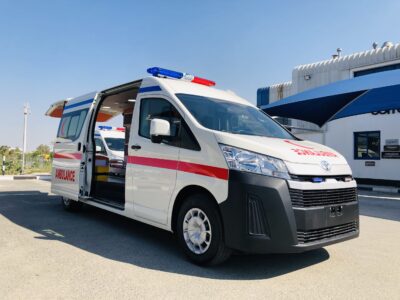
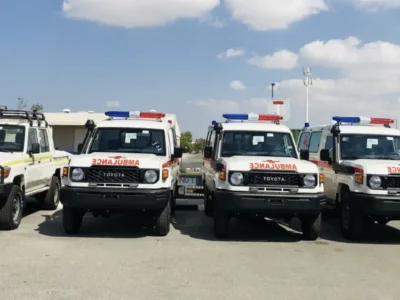
Toyota Troop Carrier Ambulance; When reliability is non-negotiable and the terrain is unforgiving, the Toyota Troop Carrier Ambulance emerges as a frontline solution. For decades, Toyota’s chassis has formed the backbone of military logistics worldwide, and its adaptation into a dedicated emergency vehicle represents the pinnacle of function meeting form. This isn’t merely a vehicle; it is a mobile medical station engineered to withstand the harshest environments while providing critical care.
Whether operating in desert warfare, dense jungle trails, or disaster-stricken urban areas, the troop carrier ambulance is designed to do one thing: get the wounded to safety without compromising on the quality of en-route care. In this comprehensive guide, we will delve deep into the architecture, interior configurations, and strategic advantages that make this vehicle an indispensable asset for armed forces and emergency response teams.
H2: Purpose-Built for the Battlefield and Beyond
The primary identity of this vehicle is rooted in extreme versatility. Unlike standard civilian ambulances that are optimized for paved roads, the Toyota ambulance is a high-clearance, all-wheel-drive marvel. It bridges the gap between a tactical transport unit and a life-saving platform.
H3: From Troop Transport to Medical Evacuation
The base platform, often the legendary Toyota Land Cruiser or Hilux chassis, is renowned for its mechanical simplicity and durability. By converting this platform into a military ambulance, manufacturers retain the core DNA of off-road dominance while reconfiguring the rear body. This transformation allows medical teams to venture where other emergency vehicles simply cannot go, ensuring that casualty evacuation (CASEVAC) is possible even under active combat conditions or natural disaster scenarios.
H2: Inside the Toyota Troop Carrier Ambulance Interior
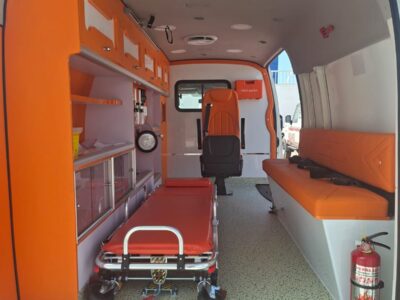
Stepping inside a troop carrier ambulance reveals a world of meticulous planning. Every square inch is optimized for functionality, infection control, and the safety of both the medic and the patient.
H3: Patient Compartment Layout
The interior is typically divided into zones to facilitate efficient trauma care.
- Primary Litter Area: The core of the vehicle is designed to accommodate multiple litters (stretchers). Depending on the specific configuration, a standard Toyota Troop Carrier Ambulance can hold between two to four patients in a recumbent position. These litters are often collapsible or mounted on shock-absorbing systems to mitigate the impact of rough terrain during transit.
- Seating for Medical Personnel: Attendee seats are strategically placed to allow medics to attend to patients while the vehicle is in motion. These are usually forward-facing or sideways jump seats equipped with harnesses, allowing for safe procedures during evacuation.
H3: Medical Equipment Integration
Modern conversions transform the raw cargo space into a mini-emergency room.
- Storage Solutions: High-density polyethylene (HDPE) cabinetry is common, designed to withstand harsh cleaning agents and prevent corrosion. These cabinets secure oxygen cylinders, trauma bags, and splints.
- Life Support Systems: The ambulance interior is pre-wired for advanced medical equipment. This includes integrated oxygen supply outlets, suction units, and inverters to power cardiac monitors and infusion pumps. The goal is to bring the emergency room to the patient’s side, not the other way around.
H3: Capacity and Configuration
Capacity is not just about space; it’s about versatility.
- Sitting vs. Lying: A key feature of the troop carrier ambulance is its ability to be reconfigured. It can transport ambulatory (walking) wounded using bench seating along the sides, or it can be converted to maximize litter capacity for critical casualties.
- Climate Control: Given the extreme environments these vehicles operate in, robust ventilation and air conditioning systems are paramount. They ensure that the internal environment remains stable for both patient comfort and the integrity of medical supplies.
H2: Operational Advantages in the Field
Why choose a Toyota-based platform over a dedicated armored truck or a soft-skinned civilian van? The answer lies in the trifecta of mobility, maintainability, and adaptability.
H3: Unmatched Tactical Mobility
The Toyota chassis offers exceptional ground clearance, long-travel suspension, and a proven four-wheel-drive system. This allows the emergency vehicle to navigate muddy tracks, rocky inclines, and flooded roads. In a military context, this means the ambulance can keep pace with combat convoys rather than becoming a liability that requires its own escort.
H3: Logistical Simplicity
One of the greatest advantages of the Toyota Troop Carrier Ambulance is parts commonality. In remote operational theaters, the logistics chain for spare parts is often strained. Because the mechanical components are shared with thousands of civilian and military Toyota trucks worldwide, sourcing a replacement axle, filter, or belt is significantly easier than for a bespoke military vehicle. This “fix it anywhere” capability drastically reduces vehicle downtime.
H2: Customization and Configuration Options
No two missions are the same, and the Toyota ambulance platform reflects this reality through extensive customization options.
H3: Soft-Top vs. Hard-Top Shells
- Hard-Top: Offers ballistic protection (in up-armored versions), better climate control, and security for medical supplies. It is the standard for high-threat environments.
- Soft-Top or Canvas: Reduces weight and allows for rapid egress. It is often used in low-threat rear-area operations or by humanitarian aid groups where visibility and ventilation are prioritized over protection.
H3: Role-Specific Fitouts
Organizations can tailor the vehicle for specific roles:
- Combat Medic Variant: Focuses on rapid trauma care with easy access to hemorrhage control kits and advanced airway management tools.
- Mass Casualty Incident (MCI) Response: Features external equipment pods and the ability to quickly convert from transport mode to a triage station.
- Humanitarian Aid: Configured with water purification systems and general medical supplies for community outreach in remote villages.
H2: Selecting the Right Troop Carrier Ambulance
For procurement officers and NGO logistics coordinators, choosing the right vehicle requires a balance of capability and practicality.
H3: Assessing Operational Needs
Organizations should first define the threat environment and the primary terrain.
- What is the average distance of evacuation?
- What is the expected patient load?
These questions determine whether a long-wheelbase or standard-wheelbase chassis is required.
H3: Quality of Conversion
The base Toyota is only as good as the ambulance body built upon it. Look for converters who use medical-grade materials, seamless welding to prevent rust, and ergonomic designs that reduce medic fatigue. The integration of the electrical system is particularly critical; a failure here means the loss of life-saving equipment.
H3: Training and Support
A vehicle is a system, not just a tool. Ensure that the purchase includes technical documentation and training for mechanics. The ability of local staff to maintain the emergency vehicle is paramount to its long-term effectiveness.
FAQs
- Q: What is the typical patient capacity of a Toyota Troop Carrier Ambulance?
A: The capacity varies based on the wheelbase and interior configuration. A standard model can typically accommodate two to four litter patients (lying down) simultaneously. When configured for ambulatory patients, it can transport six to eight seated casualties, offering flexibility for different evacuation scenarios. - Q: How does the Toyota Troop Carrier Ambulance handle off-road conditions compared to a standard truck?
A: While based on a rugged Toyota chassis, the ambulance body is designed with a lower center of gravity to prevent rollovers during high-speed off-road maneuvers. It retains the original vehicle’s high ground clearance, solid axles, and four-wheel-drive system, allowing it to traverse terrain that would immobilize a standard commercial ambulance. - Q: Can the interior be customized for different types of medical equipment?
A: Absolutely. The interior is built on a modular principle. Converters can install specialized cabinetry, SCBA mountings, and advanced power inverters to support specific devices like ventilators, defibrillators, or portable incubators, tailoring the vehicle to the specific needs of the military corps or emergency service. - Q: What are the main advantages of using a Toyota platform for military medical units?
A: The primary advantages are reliability, global parts availability, and mechanical simplicity. In remote deployment areas, the ability to repair the vehicle with commonly available tools and parts ensures that the medical evacuation capability is never offline for long. - Q: Is the Toyota Troop Carrier Ambulance armored?
A: The base vehicle is typically a soft-skinned (non-armored) platform. However, many specialist converters offer ballistic protection packages that can be integrated into the body, providing protection against small arms fire and shell fragments, depending on the operational threat assessment.